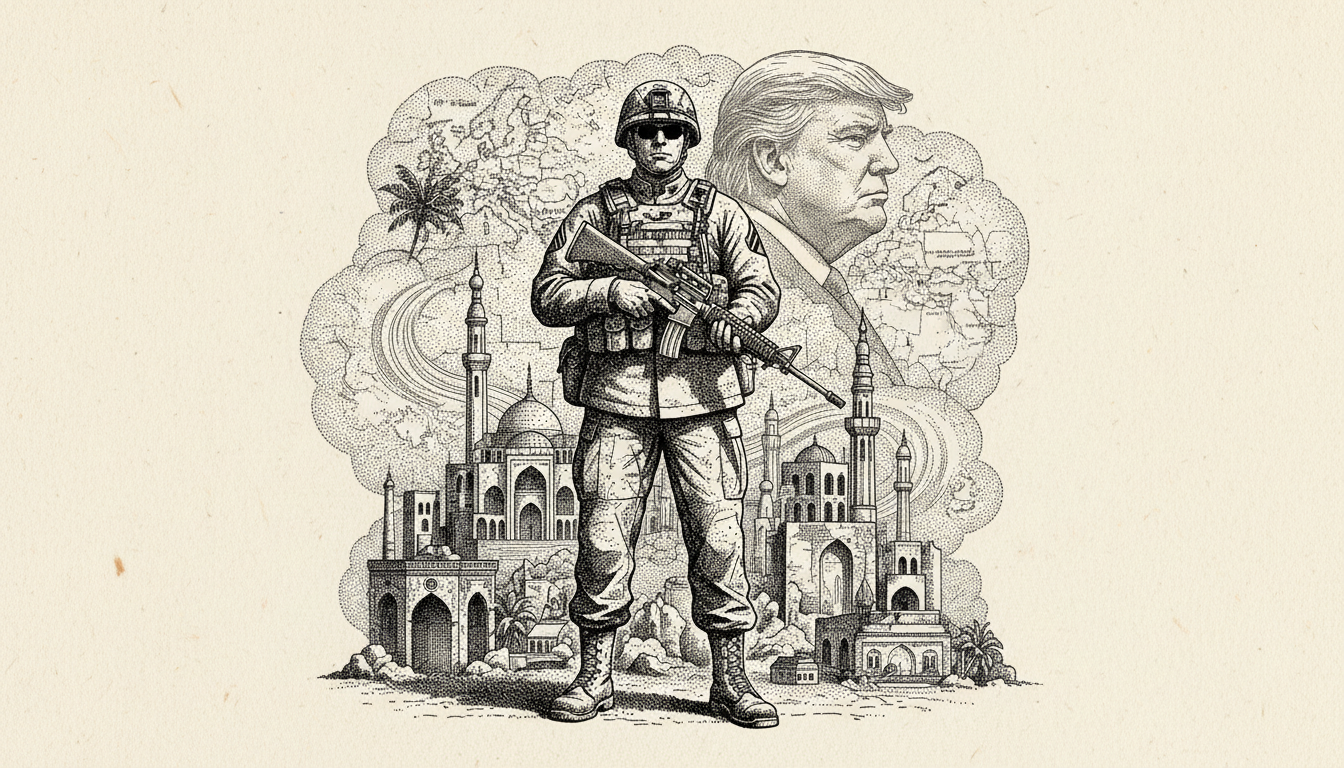
The United States maintains a significant Marine presence in the Middle East to deter regional escalation and secure critical maritime routes. These forces, centered around Marine Expeditionary Units, provide the executive branch with flexible options for rapid response and power projection. Analysts suggest that a potential second Trump administration could leverage these mobile units to intensify pressure on Iran or facilitate swift evacuations, balancing a policy of reduced permanent troop footprints with the requirement for immediate, sea-based intervention capabilities in volatile zones.
- Marine Expeditionary Units are currently positioned in the Red Sea and Mediterranean to protect international shipping and deter regional adversaries.
- The forces serve as a versatile tool for the Commander-in-Chief, capable of executing both combat missions and non-combatant evacuation operations.
- A future Trump administration might use these units to implement a “maximum pressure” strategy against Iran without committing to long-term ground wars.
- The mobile nature of these sea-based forces allows the U.S. to maintain a high state of readiness while minimizing the visibility of permanent land installations.
- Strategic positioning enables the military to respond quickly to threats against U.S. interests or allies in the Levant and the Arabian Peninsula.
The Wall Street Journal is an American business and economic-focused international daily newspaper based in New York City. The Journal is published six days a week by Dow Jones & Company, a division of News Corp.
AllSides Media Bias Rating: Center
https://www.allsides.com/news-source/wall-street-journal-media-bias
Official website: https://www.wsj.com
Original video here.
This summary has been generated by AI.


Leave a Reply